Driving in Rwanda for Tourists: Road Conditions, Car Rentals, and Safety Tips Explained
Driving in Rwanda for Tourists: Road Conditions, Car Rentals, and Safety Tips Explained
Introduction

This comprehensive guide provides everything tourists need to know about driving in Rwanda, from road conditions and car rental requirements to safety tips and best practices for navigating the country's diverse terrain.
Understanding Rwanda's Road Network
Main Road Categories
Rwanda's road infrastructure has improved significantly in recent years, making it one of the most accessible countries in East Africa for self-drive tourism. The road network consists of several categories that tourists should understand before embarking on their journey.
The primary roads connect major cities and tourist destinations, with the Kigali to Volcanoes National Park route being particularly well-maintained. These tarmac roads provide excellent access to key attractions and are suitable for most vehicle types, including standard sedans and 4x4 vehicles.
Secondary roads branch off from the main arteries and lead to smaller towns and rural areas. While many of these roads are paved, some sections may be gravel or dirt, particularly in remote areas. The road conditions during rainy season can vary significantly, making it essential to choose the right vehicle for your intended destinations.
Seasonal Road Considerations
Rwanda experiences two rainy seasons that significantly impact driving conditions. The long rains typically occur from March to May, while the short rains fall between October and December. During these periods, even well-maintained roads can become challenging, particularly in mountainous areas where you might encounter fog, reduced visibility, and slippery surfaces.
The dry seasons, from June to September and December to February, offer the best driving conditions. Roads are generally in excellent condition during these months, making them ideal for self-drive adventures and scenic drives.
Car Rental Options and Requirements
Documentation Requirements
Before renting a vehicle in Rwanda, tourists must ensure they have the proper documentation. A valid international driving permit is required alongside your home country's driving license. The international permit must be obtained in your home country before travel, as it cannot be issued in Rwanda.
Additionally, you'll need a valid passport, and most rental companies require drivers to be at least 21 years old, though some may have higher age requirements for certain vehicle categories. Young drivers should check specific company policies before booking.
Vehicle Types and Selection

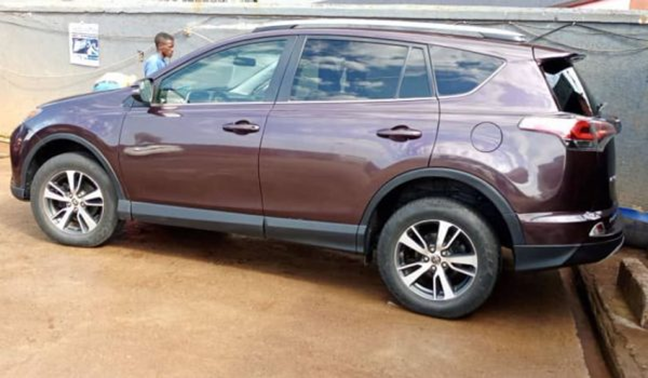
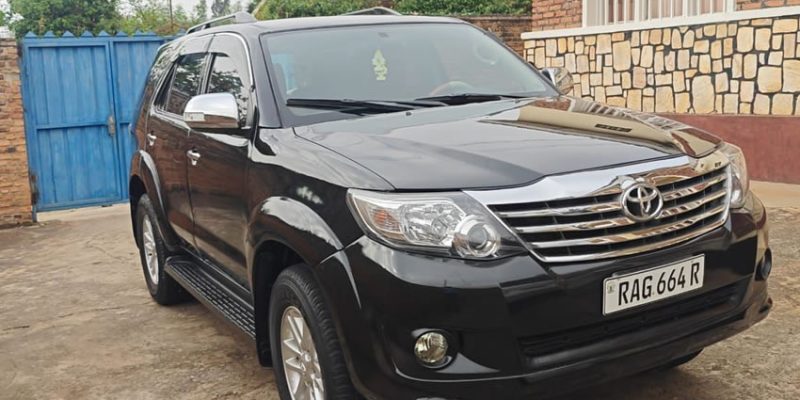
Popular vehicle options include the versatile Toyota RAV4, perfect for most tourist activities, and the robust Toyota Land Cruiser for serious off-road adventures. For group travel, options like the Toyota Hiace or Toyota Coaster provide excellent comfort and space.
Rental Companies and Services
Rwanda offers various car rental options, from international brands to local specialists. Rent Car Rwanda stands out as a leading local provider, offering comprehensive services including airport pickup, hotel transfers, and guided tours.
When selecting a rental company, consider factors such as vehicle maintenance standards, insurance coverage, and customer support. Many companies offer cars with drivers, which can be particularly valuable for first-time visitors unfamiliar with local driving conditions.
Safety Tips for Driving in Rwanda
Road Safety Fundamentals
Safety should be the top priority when driving in Rwanda. The country has strict traffic laws, and understanding local driving customs is crucial for a safe journey. Speed limits are enforced, with urban areas typically restricted to 50 km/h and highways allowing up to 100 km/h.
Always ensure your rental car is equipped with proper safety gear, including seat belts, functioning lights, and emergency equipment. Many rental companies provide comprehensive safety briefings, and it's worth taking advantage of these orientations.
Navigating Mountain Roads
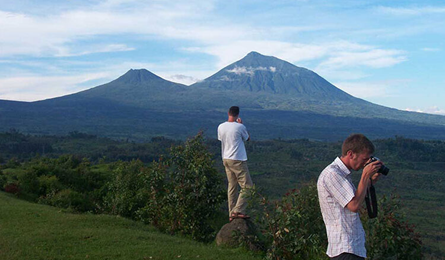
Rwanda's mountainous terrain presents unique driving challenges. The country's nickname, "Land of a Thousand Hills," reflects the undulating landscape that characterizes much of the nation. When driving in mountainous areas, maintain lower speeds, use engine braking on descents, and be prepared for sudden weather changes.
Mountain roads can be narrow with limited visibility around corners. Always drive defensively and be prepared to encounter local traffic, including pedestrians, cyclists, and livestock. The tips for driving in Rwanda's national parks provide specific guidance for navigating these challenging but rewarding routes.
Weather-Related Precautions
Weather conditions can change rapidly in Rwanda, particularly in mountainous regions. Fog is common in the early morning and late afternoon, especially near national parks. When visibility is reduced, reduce speed and use headlights even during daylight hours.
During rainy seasons, roads can become slippery, and some unpaved sections may become impassable. Always check weather forecasts and road conditions before departing, and consider postponing travel during severe weather warnings.
Popular Driving Routes and Destinations
Kigali to National Parks

The drive to Nyungwe National Park is longer but equally rewarding, taking you through Rwanda's southern provinces and showcasing the country's diverse landscapes. This route passes through the historic town of Huye and offers opportunities to visit cultural sites along the way.
Scenic Drives and Cultural Routes
Beyond the national parks, Rwanda offers numerous scenic driving routes that showcase the country's natural beauty and cultural heritage. The Lake Kivu circuit provides stunning lakeside views and opportunities to visit lakeside towns like Gisenyi and Kibuye.
For those interested in cultural experiences, the route to Nyanza Kings Palace Museum offers insights into Rwanda's royal history, while the journey to Ibyiwacu Cultural Village provides authentic cultural encounters.
Practical Driving Tips
Fuel and Maintenance
Rwanda has a good network of fuel stations, particularly along major routes and in urban areas. However, when venturing into remote areas or national parks, it's advisable to start with a full tank and carry extra fuel if possible. Most fuel stations accept cash payments, and some accept credit cards.
Regular vehicle maintenance checks are crucial, especially for longer journeys. Ensure your rental vehicle is well-maintained and familiarize yourself with basic maintenance procedures. Most reputable rental companies provide 24-hour roadside assistance, but knowing basic troubleshooting can be valuable.
Navigation and Communication

Many rental companies offer GPS rental services, which can be particularly useful for first-time visitors. Additionally, having a local SIM card or international roaming plan ensures you can access navigation services and emergency assistance if needed.
Local Driving Customs
Understanding local driving customs helps ensure a smooth and safe journey. Rwandans generally drive on the right side of the road, and traffic rules are similar to those in most countries. However, be aware that rural areas may have different traffic patterns, including livestock on roads and pedestrians walking along highways.
Courtesy and patience are highly valued in Rwandan culture, and this extends to driving behavior. Allow extra time for journeys, especially in rural areas where progress may be slower due to road conditions or local traffic.
Cost Considerations
Rental Rates and Budgeting
Car rental costs in Rwanda vary depending on vehicle type, rental duration, and season. Basic economy cars start from around $30-40 per day, while 4x4 vehicles typically range from $60-100 per day. Long-term rentals often offer better value for extended stays.
Additional costs to consider include fuel, insurance, GPS rental, and potential cross-border fees if you plan to visit neighboring countries. Many companies offer package deals that include accommodation, tours, and vehicle rental, which can provide better overall value.
Insurance and Protection
Comprehensive insurance coverage is essential when driving in Rwanda. Most rental companies offer various insurance options, from basic third-party coverage to comprehensive policies that include collision damage and theft protection. Review insurance options carefully and ensure you understand what's covered and what's excluded.
Consider purchasing additional coverage for activities like national park visits, where vehicles may be exposed to challenging conditions. Some international travel insurance policies include car rental coverage, so check your existing policies before purchasing additional protection.
Conclusion

The key to a successful driving experience in Rwanda lies in thorough preparation, choosing the right vehicle for your intended destinations, and maintaining flexibility in your travel plans. Whether you're seeking gorilla trekking adventures, cultural experiences, or simply want to explore Rwanda's stunning landscapes, having your own vehicle provides the freedom to create unforgettable memories.
For those planning their Rwanda adventure, consider working with experienced local providers like Rent Car Rwanda who can provide expert guidance, well-maintained vehicles, and comprehensive support throughout your journey. With proper planning and the right resources, your self-drive adventure in Rwanda will be an experience you'll treasure for years to come.
Remember to always prioritize safety, respect local customs and regulations, and take time to appreciate the incredible natural beauty and warm hospitality that make Rwanda such a special destination for travelers from around the world.